Short answer
Most of the heavy lifting happens when you are between 150 and 180 days late on the card. Have the money ready before you call, know roughly what that bank approves, and make your offer as a round dollar figure rather than a percentage.
Key points on this page
- The best window to negotiate directly with your bank is between 150 and 180 days late, before the account charges off.
- Settling for pennies on the dollar, meaning 10 cents or less, does not happen. Targeting unrealistic amounts is a good way to blow the opportunity to settle.
- Treat settlement percentages you read online with caution. Bank policies move over time, so look for current information about your own creditors.
- After 90 days of nonpayment your calls are usually routed to the bank’s recovery department. That team is who you can settle with.
- State your offer as a round dollar figure, never as a percentage, set short of or close to the low end of what that bank is known to accept. Expect questions about your income, expenses and other debts, because recovery staff and collectors have real time access to your credit report.
- A refusal can come down to being fewer days late than you thought, looking more collectable, questionable account activity before you stopped paying, or that creditor simply not settling right now. Pay any settlement from a separate account you set up for that purpose.
If you’ve been following the early tips I suggest for how to prepare to negotiate and settle directly with your credit card bank, you are already aware that most of the heavy lifting of the settlement process will be when you are between 150 and 180 days late on your credit card. If you have not read my previous article in this guide, What to Say to Bill Collectors, please do so now. Speaking with debt collectors is a vital component of being able to settle debts on your own.
NOTE: This post is part of our Debt Settlement Guide. If you’ve missed any of the previous content, or would like to start at the beginning, please see the links at the bottom of this page.
Before I get in to how you can go about targeting the amounts you’re most likely to settle at with each of your creditors during negotiations, I want to make something abundantly clear.
Settling Debt for Pennies on the Dollar
The internet is both friend and foe when it comes to looking for information about settling credit card debt. You will have no trouble finding websites, and offline promotions, of debt negotiation programs enticing you with claims that credit cards can be settled for pennies on the dollar. But if you define “pennies on the dollar” as 10 cents or less – it just doesn’t happen.
There can be one-off situations (mostly during the height of the economic downturn that began in 2007), where very low settlements could be achieved with some select lenders. But it is not the norm, and certainly not today.
If you have come across content or advertisements suggesting you can settle at these low – Low – LOW rates, you may want to forget anything else the source says about negotiating and settling. Targeting unrealistic settlement amounts is a good way to blow the opportunity to settle with your bank. Anyone leading you to believe that you can settle debt for pennies is more interested in selling you something than giving you accurate expectations and information.
Soapbox interlude about debt negotiation content online: Be careful of taking something you read too literally. Anonymous information is hard to verify, and information may be dated. While one national bank may have been settling for 40% in 2010, you may be able to target your negotiations with that same bank at 30% today. Conversely, a bank may have made settlements with many of their card holders for 15% to 20% at the height of the recession, but now rarely go below 30%, and more often will settle at 40% prior to charge off. It is far better to look for current information regarding your creditors and collectors. It is also best to not read too much into anonymous posters from yesteryear when it comes to negotiating settlements that impact you today.
How Much Your Bank Will Settle for
Each credit card lender will treat monthly payment reductions, collections, and negotiating settlements a little differently. But the similarities between credit card lenders policies for settling will generally take you as far as the amounts you should realistically target for each account.
Having reasonable and real time trend-based expectations for how much of a savings you can negotiate each of your credit cards for makes planning and succeeding with your goals obtainable.
By now, you should have a grasp of the fact that settling credit card debt is not rocket science. But there is a basic formula to follow in order to maximize savings and limit risks. The more creditors you have, the more important it becomes to strategically plan for which accounts to negotiate with first, and which would be better settled with outside debt collection agencies (after charge-off).
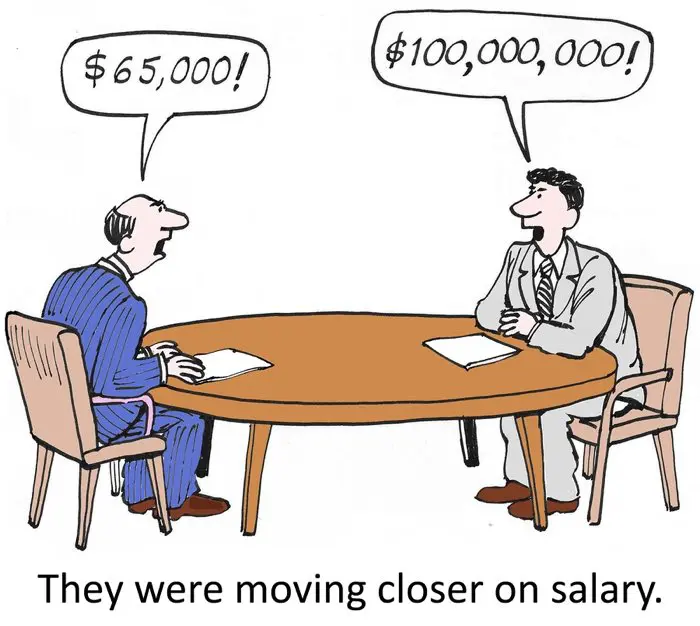
How you develop your plan should be based on how much money you have available to settle for the best rate of savings – given your particular lenders policies at the time you are negotiating with them – set beside any credit cards you have with a lender that is more aggressive in collecting.
Two ways to get help targeting and prioritizing what to negotiate for, and who to negotiate with first:
- Post questions in the comments below, or better yet, search for your creditors name in the upper right search box on this page and find a page dedicated to that creditor and read through what others are doing and post questions in the comment section there.
- Call me at 800-939-8357 ext 2, or schedule a consult (top of page menu) with me where I can provide a basic outline over the phone.
Who You Call to Settle Your Credit Card Debt
With your list of credit cards prioritized, and your timing set, making your calls to negotiate will start like prior calls I have suggested. Different creditors have different departments that handle delinquent accounts. In the first month or three of missing a payment, your calls may be handled by the bank’s customer service department. After 90 days of non-payment, calls are often routed to, or made by, a department that handles bank recovery.
Your bank’s recovery team will be who you are able to settle with. The number you call when you are ready to negotiate the settlement could be:
- one you received in a collection notice from your bank recently.
- the number on the back of your card (you will get routed to the department handling collections and recovery).
- dependent on the creditor – your account may be out with a collector even before the account charges off, in which case you may be calling a collector, are get routed to one when you call in.
What to Say When Negotiating Your Settlement
Take a moment to watch this video I did about what to say, and stay away from saying, when you are talking with a debt collector.
The previous article should have helped you with your frame of mind when making the call to negotiate and settle. You may start your negotiations with a simple restatement of your financial situation. If you have made prior outreach calls to your bank up to this point, your story of personal hardship is what you will repeat. This time however, and depending on what your notes say from prior calls, you can either:
- Repeat an offer that may have been made to you in the past (early on a bank rep may have said the account could be settled for say 60%), or you may have gotten a piece of mail from the bank offering some vague reference to settling, or a hard number or percentage. In this case, you simply start off by saying “I am following up on that earlier offer to settle. I tried everything I could think of to raise that amount, but fell short. I did come up with $_____. If that could be accepted as settlement, I can pull that together pretty quickly.
- Bring the subject of settling yourself by saying something like “I broke down and shared my situation with family/friends. They suggested they may be able to help me with a loan. They do not have much to give, but maybe enough to settle with. Is that a possibility?
There are many ways to bring up the subject of settling when you call in. When you’re calling in to negotiate and are between 150 and 180 delinquent, you will typically be speaking with someone trained to help you with that. You should already have a good idea of what the bank you are calling to negotiate with will reduce the credit card debt to in a settlement. Your offers to settle should NOT be verbalized as percentages, but as round dollar figures that are short of, or really close to, the low end of what that bank is known to approve and accept.
Answering Questions When Negotiating

A few years ago, some credit card issuers started asking a litany of questions before agreeing to a settlement. The list of questions is similar to what they ask in order to enroll you in a long term hardship repayment plan. You need to be prepared to answer these questions. Information about your income and basic expenses should prove to them that you are in the red and unable to afford anything other than the settlement.
People working for your credit card banks internal recovery department, and outside third party debt collectors, have real time access to your credit report. During the negotiation call you may get hit with questions about other debts that are not being paid, and certainly about debts that you continue to pay (house payment, auto, and even other credit cards). How you answer questions about other debts that you are paying is often going to be common sense.
Depending on the question asked, you may respond with something like:
- “Of course I am making my mortgage payment. I would be homeless if I did not.”
- “If I quit making the car payment, they take the car, and I have no way to get to work/look for work.”
- “That other credit card is not getting paid by me. My brother needed help and he is the one that made those charges. He is the one with the money to pay that one.”
- “That credit card bill is only $20.00 a month. That one is getting paid because I can afford that. I could not qualify for your lower monthly hardship payments, which is why I am willing to pool all of my resources, and even borrow money from family to settle if I can.”
Answering questions when on the phone with your original creditor, while trying to negotiate and settle your credit card with them before they charge it off and drop your account into the external collection pipe line, is normal and okay to do.
What if you call in and are told the bank is not settling accounts at this time, or that your account does not qualify for settlement at that amount, or at all? This can happen. Here are some reasons why it may happen to you:
- Your math regarding how many months you are behind added up to the perfect time to call and negotiate, but the banks math says you are 1 or 2 months less behind than you thought. Ask how many days late you are to confirm this.
- You just look more collectable. It sounds funny when you are not paying on time, I know. But if your balance is say 5k, and you are paying other credit card bills, your account may be flagged and can mean no negotiated settlement. You may have to settle with an outside collection agency in a month or three.
- That specific creditor is just not doing any settlements. It happens. They are not required to settle with their card holders. Refusing to is their prerogative. It is not common to flat out refuse settlements in today’s economy, but it sure was 10 years ago. American Express is a good example of a bank you may not be able to settle with directly.
- Sometimes you may be dealing with an original creditor who refuses to settle at 165 days late, but who is suddenly willing to negotiate when you call in and are 174 days late.
- You may have had account activity leading up to stopping payments that the bank finds questionable or red flags. This can include balance transfers, cash advances or large dollar transactions.
There are ways that a professional can help you work around these issues, so do not rule out getting help when you need it.
Negotiate Credit Cards Before Charge Off
You know that the first and often best opportunity to negotiate and settle for the lowest payoff will be with your bank, and prior to your account charging off. The better you understand why you should target as much of your debt negotiations with your original lenders, the more strategic, committed, and proactive you can be in raising the money you will need. You will want to understand how and why to prioritize some of your accounts over others for earlier negotiation. You should also know that it is okay when some of your debts progress into later stages of collection. Some of your debt may in fact be best negotiated and settled in 2nd or 3rd stage collections.
Do not hesitate to get help and feedback when prioritizing the debts you will negotiate first, second, third etc. You can do that by participating in the comment sections below, or on any of the pages you visit on this site.
You should know that it is best to be prepared to pay your settlements from a separate bank account that you set up specifically for this purpose. Having your “set aside” account set up in advance is just good planning.
Negotiating with Third Party Collection Agencies if Your Account is Not Charged Off
There are circumstances where your creditor will send your account out to a third-party debt collector before they charge off the account. American Express is the best example of a creditor who does this. Nothing much is going to change in your approach to negotiating an account that gets sent out for collections early, but that is still less than 180 days delinquent. There are a couple of subtle things to be aware of when negotiating with contingency debt collectors.
The next stop in our guide is not so much a “how-to” as a “need to know”. When wanting to settle debt after charge off, it’s important to know what to expect from your lenders, in terms of their policies, current trends, and collection practices.
Next is learning how the top 7 banks handle debt settlement, and setting realistic goals for your negotiations.
If you have questions and concerns about settling your debts at this stage of collection, and moving forward, post in the comments below for feedback. If you would like to talk over your situation with me you can reach me at 800-939-8357, choose option 2. You can also submit the “talk to Michael” form in the sidebar.
This Debt Settlement Guide includes:
An Expert Guide to Credit Card Debt Settlement
How and Why Banks Settle Credit Card Debt with You
Types of Accounts to Include in Your Debt Settlement Plan
Why Settling Credit Card Debt is Like a Race
How to Settle Credit Card Debt Quickly
How to Talk to a Debt Collector
How to Negotiate Credit Card Debt Successfully Yourself (you are here)
7 Largest Credit Card Banks and How They Settle Debt
Get Debt Settlement Letters and Agreements from Collectors
Paying Debt Collectors After You Negotiated a Settlement

I’m currently 175 days late on USAA credit card debt. Our daughter has chronic medical issues that requires surgeries several times a year. We racked up quite a bit of our living expenses on credit cards. We want to call USAA to settle this debt: $20,615. I’m petrified to call them. I only have $4000 to offer to settle – otherwise I’ll need to move on to the next creditor in line. This is still in stage 1 – getting letters straight from USAA. It hasn’t been charged off or sold to anyone else.
Any advice?
Is there any possibility of settling?
I really don’t want to claim bankruptcy but this is our largest debt – if they won’t settle then we’ll have to file Chapter 7.
Settling this debt for $4,000.00 may be a bit too optimistic. You may be able to get close though.
Post the other creditors you owe and the approximate balances on each. Also post whether you are paying any other credit cards on time each month, and whether you are paying a mortgage or car loan.
I can offer some negotiation strategies to consider once I have a better picture of your debt.
We offered our settlement of 4000 to USAA today. They said that they will never settle for less than 70-80%. But they told us to call back next week for their counter offer. They also said that whatever was not paid would be considered income and we would have to pay taxes on that lump some at the end of the year. That was new information. No one has mentioned that before.
We pay 1300 mortgage on time each month
No car loans (sold the car to have this 4ooo to pay on a debt)
Credit Card Debts:
Bank of America 4,923 – 1 month late
Bank of America 8,371 – 1 month late
RCI/ Barclays 10,477 – 1 month late
USAA 20,615 – 182 Days late
My husband wants to file bankruptcy since the bankruptcy lawyer told us we could end all this for our payment to him for 1000.
I still want to try and do the right thing, but it’s nearly impossible at this point. It will take years to work through all this. That’s if we don’t get sued 1st.
Ugh! It’s been hard enough dealing with our daughters medical issues. And now things are just barely normal, we are dealing with the aftermath.
I’m at a loss.
Thanks for your advice.
Filing bankruptcy, if you can do chapter 7 where your debts are discharged, is often going to be the better alternative to negotiating settlements on your credit cards.
USAA does settle credit cards and loans for less than you were told. The 20% you offered is a bit optimistic, but if you choose not to file bankruptcy and want some help settling with USAA for better than they countered, let me know.
I estimate you are going to need to raise another 8 to 10 thousand to successfully negotiate with BofA, Barclay, and USAA. How long would it take to pull that together?
Talk to a bankruptcy attorney before making any other plans and weigh the costs and time with what I just shared about settling. Let me know what you are inclined to do after that.
I have an article about how to find your bankruptcy attorney that you will find helpful.
I’m sure with our current level of income (which we are trying to increase), it will take at least 1.5yrs to raise the extra money – unless we could borrow it from a family member.
And we did have a consult with a bankruptcy attorney who told us he could end all o this for $1000.
Was that quote including court costs? There are administrative fees that will take you closer to $1,400.00 if they were not included in the quote. That is still hundreds less than the national average, so a fair price.
That is still a reasonable time frame to get through a settlement process. I am inclined to encourage the chapter 7 bankruptcy route given it is the most cost effective, and offers far better relief in the shortest time.
If for some reason you do decide against it, call me for a consult at 800-939-8357, choose option 2.
Thanks Michael!
I have a credit card debt from Gap credit card and I owe 5k I wanted to settle but I only have 1k do you think they would settle? what should I say? what can I do? I am unemployed and I am a single mom in school currently doing internship. I have 1k to offer, can you guide me on what to do?
How long ago was it that you last made a payment on the your Gap credit card?
It is not common to get GE Capital or Synchrony to settle for 20 percent. The account may settle that low later down the collection pipeline, but that is not all that common either.
Hi Michael,
I’ve spent several hours perusing your site and learned a lot. I have a situation that is driven by time constraints. I live in Tennessee. I have two credit-card collections accounts with CACH LLC. One was originally with BofA for $19,000 and the other with 1st National Bank of Omaha for $11,000. Years ago, I had worked with Money Management International (MMI) to settle the accounts (which had much larger balances back then). Then I went through a divorce. My child support and alimony ($1,600/month) and apartment rent ($700/month) precluded me from continuing with the MMI program ($990/month).
I stopped paying MMI in 2011 and left the program. The current debt balances of 19,000 and 11,000 have not changed in 4 years and were sold to CACH in 2013. They have made limited attempts to settle via US Mail (approx. 60% of the balances), but I have ignored all communications with them and never answer calls from them.
I had planned to let the SOL run out (6 years in TN?), but as my credit score improved over the past couple years, I decided to try to buy a house. With a FICO score of ~635, an FHA loan was my only option. The lender seemed upbeat. Entered a purchase agreement for a house ($153k mtg.) and it’s due to close June 3. Lender came back and said I will need to settle the collection debt before loan approval.
So, I’m considering contacting CACH to negotiate a settlement. (Also considering stopping the purchase process altogether.) I’m not cash poor, but can’t afford an $18,000 settlement. I would need a payment plan. My child support is beginning to taper down (one kid graduates high school next month), so I could afford up to $500 a month or so. I know you don’t recommend over 24 months, but I would need at least 36 months if not 48 or 60.
Would CACH even go for a payment plan? This close to the SOL running out, with no luck contacting me, would they think “a payment plan is better than getting nothing.” My only phone is my cell phone number and they don’t have that number. I plan to move in June, house or no house, and won’t file a forwarding address with USPS. I could be tough to track down in the next 18 months (or so I think).
Or do you think this is just a terrible time to be thinking of buying a house, even with an FHA loan? I would like to settle the debts even knowing they will fall of my credit report in three years. I have made several presumptions in this post, so feel free to correct me and give me a jolt of reality.
I would put things on hold unless you can come up with about 12 or so thousand dollars to settle in a lump sum. That could mean you will not be in the home buying market until these age off your credit reports, and not just the SOL to be sued in TN.
Your credit being run for a home purchase is visible to the debt collectors at Cach. Now is not a great time to negotiate with them, but it could be done if you are able to pull together the money.
Monthly payments to the debt collector in your situation, with the amounts you can afford, will put your ability to qualify for a home loan out for roughly the same amount of time.
Thanks for the quick feedback Mike. Here is one of the options I have: I am eligible to take out a 401k loan of up to $25,823. In fact, I have already begun the application to get that loan, which will be approved if I provide the 401k Plan with proof of home purchase, and I have a fully completed contract. At that amount, my monthly repayment (to my own 401k account) will be $226. If I do that, I could pay $12-14,000 to settle the collections account and still have plenty left over to make the down payment on the house ($5,355) and various purchase expenses (the home seller has already agreed to pay closing costs up to $6,120).
Believe it or not, I hadn’t even thought of using the 401k loan proceeds to pay off the collections debt (my head was so wrapped around doing it in monthly installments). Do you believe I can complete the negotiations with Cach and pay off the collections debt in time to close the mortgage loan within 6 weeks? Obviously, time is of the essence in procuring this payoff and documenting it. The mortgage underwriters will want to have full visibility (or even payoff control) throughout the transaction. Would it be beneficial to engage CRN services to help negotiate the settlement; and can your people work simultaneously with the mortgage lender to facilitate the transactions?
We have done these types of transactions successfully.
I would suggest we talk on the phone about strategy and I can also dig for any additional pot holes that could get in the way.
Send me an email (the same address you get these comment notifications from) with your number and the times tomorrow that are best for us to connect.
How were you able to go years on a $19k and $11k CC balance without getting sued?
Hi Michael,
My situation goes like this. I was about $20k+ in credit card debt a few weeks ago and was able to settle or pay in full 4 of the 5 cards I have. BOA, AMEX, 2 CHASE and Discover.
The only cards showing up as settled on my credit report are the 2 chase cards and it states settled for amount less.
The BOA first payment of 3 is due at the end of April so it has not showed up on my credit report yet.
The Amex I paid off in full.
Unfortunately I didn’t realize there was a sweet spot (between 150 – 180 days) for negotiation prior to receiving my latest letters from Discover and doing some internet research because they got me alarmed. Discover is my last debt and is now 213 days due, last payment date September 5, 2014.
I received 2 letters:
Letter dated March 10,2015 – I received a letter from them stating that they would take $400 off my $5,535 debt by using my tax return to pay off as an incentive, the letter states that I have until April 30, 2015 to secure this offer.
Letter dated March 8, 2015 (2 days earlier) – Letter states that attorney placement is pending. And that my balance is $5,651. It states I can resolve this by calling and making payment arrangements and that I have until April 30, 2015 8pm eastern time to do so. If not account will be forwarded to an attorney seeking judgement against me.
As you can see first of all there is a discrepancy in balance total in both letters. Both letters are communicating different messages and only dated 2 days apart.
I have not communicated with Discover at all since September 5, 2015 and don’t know how to proceed with this.
I have been with them since January 25, 2004 and have never had a late payement until this last couple of months.
My background – I lost my job March 2014, but had some savings. I started to live off my credit cards while trying to find work. I had to move back in with my parents at the time. Prior to losing my job I never defaulted on cc payments or student loan payments.
My student loans which are also in the ballpark of around $20k I kept paying with my savings bc my parents and cousins had co-signed with me and I didn’t want to ruin their credit scores. My score is in shambles now around under 600.
I met a man and am now living outside the US, but my parents keep receiving my creditor letters in NJ. They know my financial situation to a certain point, I didn’t want to worry them since they are both living off of social security. For the last few months any time Discover calls my dad just said I didn’t live there anymore, but they just kept calling.
I have absolutely no assets in New Jersey,United States where I used to live, no home, car and less than $200 in both bank accounts. My life now is shared with my partner and he takes care of me.
I am looking for work in my new home country, but it’s 1 off jobs here and there and I’m saving as much as I can. I can pay a lump sum of $2,825 from the money I have and some money borrowed from family.
I am trying to move on with my life and want to just be done with all these debts. That is why I settled my other credit card accounts. I still have my student loans and can find the cash to pay them off month to month. I want to just settle this debt with Discover.
How should I proceed? What should I say when I call discover? Do you think I have the ability to settle still since I’m 213 days out now and attorney threat was sent? Should I mention the other settled accounts?
Also, I plan on calling via skype which has a american number attached to it. My letters are still forwarded to my parents who can scan and send me. I can’t give them a number to contact me at because I’m no longer in USA and quite frankly I don’t see why telling them I’m outside will help my situation very much.
Any advice will help so much, Thank you for all the advice you have already given out. So much knowledge on this website.
Tammy
I think you have a fair shot at settling the Discover credit card for the amount you have available. I see settlements with them usually around the 50 percent range, but a few around 40 percent too. You are right in there with what you can afford to settle for if they are willing to accept your offer.
I see no reason not to tell them you no longer live in New Jersey, and do not plan on returning to reside in the US anytime soon, if at all. It means their sending your account to an attorney has no meaning, as they are not going to sue you outside the US. And it would not be a bad idea to go on record with them about that fact.
If you are unable to settle and pay with the bank before April 30th, wait for your parents to get the collection notice from whoever Discover sends the account to, and post an update with who that is, and lets go from there.
Be sure any settlement agreement you get is in writing.
Hi Mike!!!
Just got off the phone with Discover was able to settle for 40% > $2,312, original balance $5,651.
They tried to counter with 60% at first but I once again explained that I could not afford that at this time. I obviously explained my entire situation and at first the cust serv rep wanted to put me on a plan, $90 a month at 9%, I explained to her that monthly payments are not something I can do right now. That I’m dedicated to eradicating this debt and not falling off the wagon again with missed payments.
I want to thank you for giving me the confidence to ask for the 40%.
——————————————————————————
I have another debt settlement with BOA on a balance of $7520, they approached me online via my bank portal asking if I just would like to settle for 50%. Since I’m living outside USA I agreed right away because I didn’t want to deal with the calls and waiting for settlement letter being mailed, they just sent me pdf online right away.
My first payment of 3 for $1,253 is due tomorrow with the last payment due June 8th. I was wondering because I’ve never seen anyone talk about this, but if I were to offer to pay the whole thing off in one shot right then and there over the phone, would they be willing to further reduce my debt even though I’ve already agreed to this settlement?
I understand 50% is good, but I’ve been paying them exorbitant interest for years now on this particular account and have been with them for 12 years. I would like to save as much as I can at this point.
Nice work with Discover!
Renegotiating with BofA now can be a mixed bag. You can certainly try to get this changed in their system with a phone call, and target your settlements for 10 to 20 percent lower. But you may find you have to not make the payment on the current deal, and let a little time go by before renegotiating.
I would make the call and give it a shot.
Hello…hope you can help me as I am very confused what to do. My husband lost his job back in September 2014 and just recently found a new job. Salary is much less than his old job. $25k less a year to be exact. So we have about 18 credit cards bills ranging from $14000 to $1000 balances. They total $50000.00 Companies ranging from amex, cap one, Chase, citibank. We maxed on all credit cards and just making the minimum payments. I called a debt settlement company and if I pay them $750 a month and pretty much stop paying my bills for about 6 months they will contact the companies and settle. We should be done in 3 years. After reading a lot of your posts should I try to settle on my own? The debt co charges fees but it’s included in the $750 payment. I did the math and we can afford a max of $800 a month to put away to try to settle each card one by one. We live in NY. We own our home and mortgage payments are on time. We also lease our car, also on time. We really don’t want to file for bankruptcy.
It’s difficult to sleep at night with all this debt hanging over our head so appreciate any advice you can give me!
Negotiating and settling credit card debt yourself is not overly complicated, especially the ones you target for settling the earliest. It appears from what you shared that you are current with payments, so would be speaking with the banks themselves to settle the first few accounts. This would be just before the 6 month late mark, similar to when the settlement company referred to being able to start getting agreements negotiated.
I have coached thousands of people through the process of settling debts on their own. The largest amount of stress and anxiety you may go through is often going to be between now, and the time you knock down your first settlement. Not just because you have to wait to be several months behind (often 5 or so) to get the best deal negotiated, but because this is the largest period of time you will be operating outside your personal experiences, so a bit in the unknown. After you succeed with your first negotiation, you will have climbed most of the worry wall, and now have some confidence about the remaining settlements you will do.
There are many pages on this site that are dedicated to helping you understand the process of negotiating settlements on your own every step of the way,and in virtually every circumstance. Myself and others are here to participate in the comments to offer feedback and deeper details as they can be applied to your situation along the way. So… it is easy to see I am a fan of DIY.
If you are up to settling yourself, I am up for helping you. I often find the fees you save can mean you finish a year or more faster, which could have a pleasant byproduct of lowering the risks of being sued for collection.
If you would like to get an estimate of time, overall settlement percentages, and how I would prioritize which debts to settle first, post the credit card bank, and rounded balance for each.
Hi, I have a question about negotiating a debt.
I currently owed $3,700 to PayPal master cards. Ive been in collections before for like 90 days. But then I used some kind of protection that i didn’t know i had. They payments were very high before for like $300 a month. Now I’m not able to make the payments again and I’m 1 month late. How should i go about it?
Are you confident you will be able to save up about half of the credit card balance over the course of the next 4 to 5 months?
Just to follow up on my first comment. Capital One has already closed my account but I dont think they have sold the account to a collection agency. Maybe they discharged it into an internal collection? They have stopped calling me for the payment and have received no letters. The account was probably closed for a year now.
You can call and ask the bank who they placed your account with for collection. You may catch it with CapOne in between debt collector placement, you may learn your account has indeed been sold.
There is rhyme and reason to an account being flagged for no settlement options. There are also instances where it seems arbitrary.
How long did you have the account before payments stopped?
How much of the balance at the time you stopped paying was from transactions in the prior 6 to 12 months? Were there recent balance transfers to that card, or cash advances?
I have followed your advice on how to negotiation with my credit card companies on my own and so far I have settled with all my credit card companies except one. I had a credit card opened thru Capital One on my sole proprietorship business. Even though I have settled on a personal credit card account with the same credit card company, they refuse to budge on this one. Any advice?
I don’t know if it would matter, but if the actual court info is important enough I’m not opposed to calling them come monday if they would be able to give me that info.
It would be interesting to know what the court record shows about service of process, but the fact you were not even living in New York means talking to an attorney with experience vacating judgments is a reasonable next step regardless.
Hey Michael,
Like most others who have posted here I greatly appreciate what you already have, and are still creating here. Of all information on the internet your website is by far the most helpful.
Like another poster, I also WWOOFe’d for about a year, 2011-2012ish, with no money, no real place to stay, no real job etc.
Prior to that year late-2009-2011ish I had a pretty severe drug and alcohol problem wherein I took on some debt which is as follows:
Capital One- Maxed out a $3000 dollar credit card.
Attempted Suicide- Hospital bill I remember was also about $3000.
Ambulance Ride- from a bar one night to an emergency room, I remember before throwing it away the bill being roughly over $1000.
Student loans- I think had been about $5000 total when I started drinking and dropped out. I’m not too worried about them, the government has been taking what little refund money I have accumulated and so long as it pays down the debt and keeps them otherwise off my back its fine by me.
I am still currently trying to get access to my credit report. I have to mail my personal info to Credit Karma since I didn’t answer all of their security questions right. But, I remember that this is pretty much the total brunt of my debt, plus I’m sure whatever fees, penalties, and interest they have decided to tack on.
Before you or anyone else reading this worries, I am doing much better now clean and sober and working to keep my life on track. After that rough year like I said, I started WWOOFing, traveled, met some awesome people, and really got some perspective, experience, and a little bit of inner peace.
Ok, so this is a little bit of a cluster. I have been living settled into a particular town for 2 years now. All of my debts were incurred in New York (Where I’m sure I’ve been sued by now). I had employment in multiple states in the past few years. I am currently a resident of Virginia, but actually live in Tennessee. And I just terminated a one year employment as a CNA, so I am unemployed at the moment. And my addresses and phone numbers change more than Snoop-dogs stage name.
Where I’m getting with all this is; I’m assuming I am probably considered pretty “uncollectable” and at this moment “Judgment proof” to anyone who owns my debt. And I’m worried if A.) Contacting collection agencies might stir up the hornet’s nest so to speak and get them all after me, B.) Agreeing that the debt is mine and ruining the roughly 3 years of statute-of-limitations I have accumulated and C.) If I could actually use my current circumstances to my advantage in negotiations.
I have no bank accounts at the moment, no car, very little possessions, rent a cheap studio apartment, I’ve been paying all my bills by money order or prepaid debit cards (expensive I know), but most importantly I have managed to save up about $4000 in cash over the past year.
My future goal is to create a self-sustained micro homestead. I can do this relatively cheaply. I don’t intend to use any credit to do this, I simply intend to save and buy everything I need in cash, so my credit report is of little concern to me. My concern however is that if I begin acquiring assets free and clear, such as land and vehicles that they will be at risk for liens and therefore foreclosure, seizure, if I get an over-zealous collector on my track.
Before I get another job and put my pay at risk for garnishment, and most definitely before I purchase assets, I want these things gone from my record. As I’m sure can be imagined, they are not only financially unpleasent, but also bring up a time in my life I would very much like to leave behind me.
I have been trying to piece together the best way to accomplish this and obviously it is a bit daunting and confusing to make sure I do it properly. Do you think I have enough money? Do you think I can settle in a short enough time so I can feel comfortable receiving pay without fear of garnishment?
And, one thing I haven’t seen too much on in posts is; when you reach a settlement amount don’t you have to get it in writing? I most certainly wouldn’t want to wire funds from an account with only a verbal arraignment, or just sit around waiting for them to mail me paperwork to sign and send back. Do I mail a form? How does that all work exactly?
Again, even if you don’t respond to this, everything I’ve read so far has helped a lot. Thank you!
I think you have a fairly decent shot at resolving all of those debts, other than the student loan, using the 4k you have. But lets see if you can find out who has them by viewing your credit reports first.
I am not sure what the issue was with credit Karma, but you are entitled to a free credit report direct from each of the 3 major bureaus every 12 months. You can get those by writing in, and also get them real time from http://www.annualcreditreport.com – try that and see if Capital One sold off your debt (debt buyer would likely appear as a new entry, and Capital One will say there is a zero balance on the account). Also look to see if a debt collector is reporting the hospital and ambulance bills. I would want to know if they are appearing on your credit before reaching out to the providers directly to find out the account status.
I would offer different feedback depending on who has the accounts.
It is possible that you were sued on some of these debts without your knowledge back in NY. That kind of thing is happening less and less these days, but was still very much a concern in 2011. If you were sued without your knowledge, it will change your approach on whichever accounts those were. And that information may also show under the public record section of your credit report, or can be found if you call or access the NY courts records online.
Post updates with what you learn and lets go from there.
I cover how to get your settlement deals documented, before you pay them, in more detail here: https://consumerrecoverynetwork.com/debt-settlement-letters-agreements/
.
Hey Micheal,
Sorry it took me so long to post back, I had to mail in to get my report and I just got it today.
None of those old medical bills are showing up at all. The only things I see is my student loans and that credit card.
Capital One did sue me as of 01/2013 for $3,345.
As far as I can tell they still have the debt, because they have been charging it off every month and I don’t see any entries except for my student loans. The last charge off amount is for 10/14 for the amount past due of $4,042 with a credit limit of $3,000.
Again, thank you for all your help.
What state is the judgment in? Were you aware of the suit at all, until now? If you were not, it would impact the way I would approach handling the situation, which may/may not include negotiating a settlement at all.
Also, I know you mentioned you have little concern for those student loans right now, but if they are all government backed loans, you can get them out of default and on an income based repayment plan that works with your cash flow.
The medical related collections not appearing on your credit places them at the bottom of the priority list, at least right now.
Let me know the state, and also the name of the collection law firm that sued. Also, many courts have online access to their records. See if the court you are dealing with does, and do a search for your case by name. Look and see if you can tell what address the process server said they went to in order to serve you. What type of physical description was given by the process server for who it was they served, or whether they mention anything else about the service.
The judgement was in New York and no, I had no idea I was being sued. I assumed I would have been sued but was certainly not served, especially considering I was in Tennessee when it was filed (01/2013).
I looked for public records but the main website of the court doesn’t seem to have anything other than a reference to some federal recomendation to do so as of 2004. And as far as a collection firm that sued- the only one I can see is on the public records section of my credt report and that only lists Capital One as the plantif.
I cannot thank you enough for this information and help, seriously.
What is the name of a large city nearest the court where the judgment was filed?
You have the option of fighting the sewer service, and for perhaps less a cost than settling with the bank.
I can email you contact info to any attorneys I know of in the area that would offer a no cost initial consult, and who have experience in this type of consumer law.
That is the direction I would take on this, or at least look into what all is involved.
I would look next at using my available cash flow to deal with getting my government backed student loans out of default.
It was filed in Albany. I found a few court records but not apparently for whatever court my case was filed in.
Even if the judgement gets voided, won’t I still owe the debt and likely just get sued again in Tennessee, just with having gone through all the hassle and money of vacating one judgement just to wind up with another?
I do think getting my student loans out of debt is a good idea and working on rebuilding some credit, but if I can settle this one account (the most toxic and aggresive one) I think I’ll be way better off.
Depending on the law firm, do you think if I tell them my circumstances (no job, no assets, etc.) that they might settle for maybe %50? Or, does the fact that they have a judgememt against me just make that highly unlikely at this point?
I sent you an email with contact details to 2 experienced debt defense attorneys in Albany. Both likely offer an initial consult at no cost.
New York has well documented issues with sewer service. Whether or not you were pursued again for collection could depend on the tact taken by the attorney to get the judgment vacated. I would also base my concerns on that happening with where you reside. I had Virginia in my head when typing, which is a 3 year SOL on credit cards like this. Can you be certain of the last time you charge on the card, or made the last payment?
I do think you have a good shot at settling for 50 to 60 percent. You would not appear all that collectable being out of state, no job, no assets, etc. But I would talk to one or both of the attorneys I sent you first.
Hey, I settled with Capital One’s lawyer’s Malen and Associates yesterday for $2100.
As soon as I get a job I’m going to put my student loans on the income payment plan deal, and hopefully if I do O.K for long enough, then someday soon I’ll be financially stable enough to go hunt down those old medical bills and make that wrong right.
I absolutely dreaded calling these people, so for anyone who is curious this is pretty much how it went;
-I called the number on my credit report, gave them my social, and some guy gave me the number to their lawyers.
-Got a hold of the lawyers, they asked how they could help me. I told them I wanted to pay my debt. The lady said “OK the balance is $4,076.00. Will that be a card or check?”. I said “Well, I don’t have the full amount.” She said “Ok sir, what are you willing to offer?” I told her I had $1520. She told me that was too low and made a counter offer of $3600 (Roughly 90%). Told her I had some family I might be able to get a few hundred from.
-Called back next day, she reviewed her stuff on me and said she had “Submitted” my offer of $1520 (I’m assuming that means there is probably a supervisor who reviews and approves settlements?) She put me on hold, and as soon as they do put you on hold, music starts playing, they do not stay on the line with you so there is no chance for sob stories or anything like that really. But, after taking me off of a very quick hold time, she immediately offered me the $2100(50%ish). They faxed me a settlement letter via the local public library, and I sent them the money through Western Union.
That’s it! No more, no less. Each phone call was quick, to the point, and pretty much completely painless. Alright, that parts out the way.
Micheal, I am sure that you are probably already aware of how decent a thing you have going on here is, but I intend to make sure of it.
I could use many colorful words to express my overall disdain for finance. It is to me, remarkably distasteful that someone has profited off my misfortune. I am well aware of personal responsibility and am absolutely at a high degree of fault, but having vultures come in after the fact, and make legal claims to the fruits of my labors for a relatively extensive foreseeable future angers me greatly.
I saw the same thing happen to my parents when their farm was foreclosed on. They made payments for 15 plus years. A family was raised on that land. We buried our beloved animals on that land. We built and improved the barns and paddocks with our own hands. My parents marriage fell apart and the payments stopped being made. Again, they were not in the right, but when faceless people who know nothing of that property, or the people that lived, loved, and worked it, begin making legal claims to it based on numbers they literally manufactured on a computer screen a decade-and-a-half ago I can’t help but find myself with not only personal reservations but an overall moral objection.
Credit is such an important part of life today and literally nobody helps people understand all that entails it. When people don’t know what is happening, when they don’t know what they are getting themselves into, when they don’t have strategies to avoid pitfalls, people will exploit them. This is an environment where it feels practically impossible to not come out having been taken advantage of.
This website, and your advice, is the only place I found that gave legitimate, practical advice for dealing with this, and you asked for absolutely nothing in return. Thank you.
I intend to rebuild my credit and hopefully by myself a house, buy some solar panels, and grow some of my own vegetables. I want little else in this world other than to do this and be able to live in relative peace. Before finding this website, I had completely written off that I even had a capacity to do this anymore. So, thank you so very much. I hope the absolute best for you, anybody who works with you, and for everything you’re doing here.
Thank you for sharing that Jason. And great job getting the account negotiated and settled.
I am close to 180 days (9/26/14) and am discussing settlement with BofA. If I am not able to come up with the 30% they are currently asking I understand the account will be charged off; I also understand (from the representive I spoke with last time that the settlement amount might be lower after charge off. What is the effect on credit report if the account is settled prior to charge off or after charge off? (is it worth trying to stretch beyond my means and put myself and family at risk to settle prior to charge off)
It is never a good idea to put you or your family at risk over an unsecured debt. That said, you cannot be certain you will see a 30% offer again, so taking some lumps now, in order to save the most money over the long term, can mean sacrifices now make sense.
It is possible for your credit to bounce back a bit quicker if you keep this account from charging off and going to debt collectors. But that is situational. If you have, say 3 other accounts, all of which will charge off, the damage would probably be the same. If this is the only one you have to contend with… it would perhaps be another reason to settle with your bank now.
IN MAY, 2014, MY HUSBAND HAD TO QUIT WORKING DUE TO SEVERAL SERIOUS ILLNESSES. HE IS NOW ON DISABILITY UNTIL DOCTORS CAN WORK OUT ALL HIS HEALTH ISSUES. ON TOP OF THAT, WE JUST FOUND OUT THAT THE PROPERTY TAXES FOR HOUSE BE BOUGHT IN OCT 2013 WERE NOT PAID BY THE TITLE COMPANY BUT WE WERE INFORMED DIFFERENTLY, NOW I CAN NOT AFFORD TO PAY OUR CREDIT CARD DEBT DUE TO THE FACT THAT I HAVE TO COME UP WITH THE PROPERTY TAXES FOR 2013 ASAP AND PROPERTY TAXES FOR 2014 NO LATER THAN JANUARY 31, 2015
WHAT I WOULD LIKE TO KNOW IS: Is it better to settle credit card debt with the card company or wait until it goes to a debt collector and settle with them? Which will accept a lesser percentage of the debt? Thank you.
It varies from one creditor to the next, and can also be impacted by how collectable you look on paper (what your credit reports shows about some bills being kept current – if any – and the ones not being paid, and your current income and expenses). Read this report about specific accounts for negotiating and settling: https://consumerrecoverynetwork.com/credit-card-debt-to-include-in-settlement-plan/.
If some of your accounts fit criteria in that report, you can find negotiating with later debt collectors will offer the better savings.
Who are your creditors, and the rounded balances for each account? How late are you on each account? Are you limited without the ability to settle all accounts quickly, so will have to choose which one(s) to settle with before charge off, which means you will have to negotiate with bill collectors later?
Hello,
I have found your website very informative and helpful to my wife and I as we have tried to dig ourselves out of a debt. Short story, is that we are a younger couple (around 30, 2 kids) from Florida and had accrued a lot of medical debt (surgeries for wife, and having 2 kids), and some old college bills. We (foolishly) paid many of these debts with our BOA credit card and have been paying the various large debts on it for 5 years. We also are in the final stages of a short sale on our old house (we bought in 2007 right before drop, both had income cut, and didn’t pay for 18 months) and are currently renting a home.
We’re doing better financially than we were when we started short sale, but are still just barely breaking even monthly. She has started a new job recently making less money than before (old company was on shaky ground), but greater potential in the future. I am starting a new position after the first of the year with a new company, with a a slightly higher income. We’ve exhausted what little savings we did have, and are contemplating settlement on our CC debt. Now, we’re down to about $2k on our medical bills (no interest), and we have a Chase CC we use for normal purchases that’s paid off monthly (gas, groceries, etc), and a BOA credit card with $13K in debt (all large purchase, i.e. medical, college bills, car repair, etc.), never paid late.
Since our credit is already shot due to short sale (last I saw it was around 600), we’ve debated trying to settle this BOA account. We “could” scrape by and pay the minimum until I start the new job and then try to pay off the rest over time. But, we had debated trying to settle a smaller portion, allowing us to be at ground zero come the first of the year, and actually have some cash on hand, and breathing room in a monthly budget. It’s possible I will receive a signing bonus at new job which we could put towards this debt (or repayment of family loan for settlement), but we’d still owe 50% of the deb, and I’ve always heard cash on hand is better than credit. My understanding from reading is that BOA is best to settle around 90 -120 days past due. Since we’re in a short sale process, we aren’t looking to buy a house for probably 3-5 years or so, I’m leaning towards this option. How much of a hit are we looking at to our credit? What would you advise?
It is often best to settle with Bank of America after the 150 day mark. I would typically not try to negotiate a deal at 90 to 120 days late. Not unless BofA brings the topic up first. Post an update if that were to happen before taking any deal, as the savings in the early months of delinquency can often be less of a benefit than when you are fast approaching charge off.
How settling with BofA will impact your credit is different from one file to the next. The year plus late pays on the mortgage, and the soon to be short sale on the property will hurt you for some time going forward. Your credit reports showing 4 to 5 months of late payments, followed by a settlement for less than full balance, will blend right in. I would not carry a balance on the Chase card until after the settlement with BofA is done (you don’t now, but worth pointing out going forward).
If it were me, I would first look to how I could succeed with an aggressive debt roll up strategy. If I am not confident that I can apply extra cash to my minimum payments each and every month (an unplanned for cost in a month would set me back), I would likely look to settle with BofA between 150 and 180 days late, and would be realistically targeting about 5500.00, but would start a bit lower with my offer.
Thanks for the reply. We could probably swing a roll up, but based on readyforzero.com, we’re still looking at 18 months to pay it off based on next years projected earnings, and paying $15K back. That’s where we’re on the fence. Is it better for long term (it definitely appears better short term) financial health to just wipe the slate clean and take the hit on the CC settlement within a few months of the short sale, or does it make more sense to pay attempt to pay it down over 12-18 months, and hope nothing bad happens and puts us in a hole again?
That’s my concern, that you would be one flat tire away from not able to make the payment.
It does make more sense to settle and stop the monthly cash flow bleeding from purely a dollars and cents view, and from other angles as well. I know I would be geared to follow the settlement path if I was not able to put money into an emergency fund, while still meeting all of my other debts (which sounds to be the case with you).
That said, 18 months is a smaller window than most face in their debt roll up strategies.
I cannot make the decision, but can help you along the way once you do decide.
correction – it was Gatestone Collection Agency that contacted us
Hi Michael,
I stumbled across your website and have spent my afternoon reading through the wealth of information you are providing. Here’s my situation: My husband’s business is failing and he has an American Express card with a balance between $25,000-30,000 that he cannot pay. We just received the letter from Gladstone Collection Agency. I don’t believe our debt was sold to them, but they are collecting for AmEx. At this point we are current on everything else – other credit cards, mortgage, HELOC, all bills. It is just this bill that we cannot afford. I spoke to a Gladstone representative briefly yesterday. He spoke to me because he said I’m a “secondary” card holder. The amount they are asking is no where close to what we can pull together right now. They weren’t offering a deal, just trying to bring us current. I don’t see how we are ever going to get out from under it while they are piling on interest rates every month. I am afraid of the unknown. Will they sue us, garnish my wages, put a lien on our house (which does not have a lot of equity with the mortgage and home equity loan)? We are barely making ends meet as it is. We live in California, a common law state, so I assume I’m just as liable as he is for this debt. Is that correct? I checked our credit reports yesterday and the American Express card does not show up on my report, just my husband’s, and it says “collection account” (although the amount currently in collections is only a portion of the $25.000). Do you have any advice for me to help prepare me for what lies ahead? I have always been so responsible with money and it is really stressful to have this cloud hanging over my head. Thanks for any help you can give.
How long has it been since you stopped making payment to American Express? Can you raise 50 percent of the AMEX balance in order to settle, and if so, how long will that take?
Yes, you have an increased risk of being sued on AMEX accounts, and for balances this size. Your best opportunity to settle with AMEX is when they are using collection companies like Gatestone. But Gatestone will only have the account for so long. If, or when, the account lands with a debt collection attorney in California, your settlement options still exist, but typically for higher percentages, or perhaps not at all.
Your being current with other unsecured debts (not your mortgage or car loans), and that showing on your credit reports (which debt collectors and attorneys can see), makes you look highly collectable. Of course that is not the case. You run out of money before you run out of month. But the information they see will often dictate the decisions they make about your account.
Add up the monthly payments you are making to all of the other creditors (unsecured debts like credit cards, lines of credit), what is the total? Who are the creditors you owe? There may be creative ways to approach your situation, but lets walk through a process of elimination first.
My husband says we are close to 120 days late on the American Express bill. I humbly called a relative to see about help and right now they can send us about $6,000 but will see what else they can do. In the meantime, my husband spoke to a Gatestone representative and they offered 3 months of very low interest, followed by 9 months of not quite so low, but still better than 27% interest (I think it was 1% for the first 3 months and 9% for the 9 months). Basically, that gives us a year to get the money together before the interest rates go crazy again. But I don’t really think we can come up with that much extra each month, so ultimately we’re just setting ourselves up to be in the same spot in a year. Nothing was mentioned about settlement for less than the full amount. Since you said we are “highly collectable” I’m thinking that they probably won’t be willing to settle – a punishment for just letting this one account get away from us. We definitely run out of money before we run out of month and it feels like it is happening earlier every month!
We have 3 credit cards – 2 we pay off in full every month, 1 has a $4,000 balance that was a recent balance transfer (that card will have 0% interest until August 2015 if we put nothing else on it).
We have a home equity line of credit and a mortgage – both current. We have tried to refinance for better interest rates and increase of line of credit with no success.
My husband’s business is where the problem lies. He has the late American Express and another $25,000 line of credit with the bank – he has remained current on that. The lines between the business and our personal finances have become so blurred (our home equity line of credit was for the business as well as the $4,000 balance transfer). Writing it all out just makes me feel so foolish for letting it get so ridiculously out of hand.
Any advice you could give on dealing with American Express would be greatly appreciated.
You may have more options to settle the AMEX account with Gatestone the closer you get to 180 days late. If you can pull together 50% of the balance from friends and family, selling the dirt bike or other items (hypothetical here, no idea if you own a dirt bike), you may be able to settle. But with all else being current, they may not want to, or may get sticky at something more like 60%.
You do need to settle, or agree to more affordable payment terms, as in my opinion, you are the highest risk to be sued on this account.
Gatestone wants to get you to do something on this account with them. It is how they get paid, and your account contributes to their overall performance numbers with AMEX. They are very much part of your solution here. You may want to try calling in a couple of weeks, and try talking to the same person every time. Lay on the personal hardships, and trying to keep the business going and failing. You are setting yourself up for a later settlement, or better/longer payment terms as the account approaches and passes to charge off.
Cindee – If all you have to weather, at least right now, is this single account, you are going to be fine. Not a fun time, but things could be much worse. You are going to need all available cash flow to throw at a settlement. And settlement is what I would want to do here, as monthly cash flow appears to be unpredictable, so paying something to keep them at bay, only to stop paying later and still need to raise the money to settle, is a waste of resources.
So I should wait another 2 months to try to settle with them? If so, what do I do in the meantime (besides try to gather funds – which we are working on – talked to the bank yesterday about increasing our heloc a little bit – maybe give us another $10,000)? We are supposed to call Gatestone today to tell them if we will accept the lower interest rate plan. Should we reject that? How do we bring up doing a cash settlement instead? Do we even put that out there right now? Obviously they are expecting us to make some sort of arrangements with them immediately. How do we stall that?
P.S. No dirt bike – and we drive old cars. We have lived very simply for a very long time, that’s how we’ve lasted this long!
If it were me, I would call and say something like “I have agonized over bills, and what we can accurately assume our household income will be, and there is no way I can commit to any payment plan right now. I did confide in a family member what is happening with me right now, and they offered to help, but only if the help takes away a payment burden. They said something about settling a loan for less with a bank, and to ask about that. If that is possible with you, to settle the AMEX account, and it is an amount she can afford to give me, she is willing”.
This way I am leaving the options for payment plans, or settling, and hopefully getting the Gatestone rep to open up about what settlement could look like on this account.
I stumbled across this site: https://getoutofdebt.org/29430/how-to-settle-american-express-credit-card-debt . It was written in 2011. Is the advice given still valid?
For the most part yes. If you want one on one support, or DIY debt settlement coaching, Charles can help. Check out his website at http://www.zipdebt.com.
Okay, my husband called Gatestone this morning – just to touch base and tell them that we’re working on it. We are trying to increase the credit limit on our HELOC (but I’m feeling doubtful that that will happen with the AMEX collection on my husband’s credit report) and trying to see what kind of help our relative can give us. I told my husband to try to pin down where we are on this – how many days late. At first the agent said over 150 days, but then at the end of the call he said we’re a week away from 180 days. My husband hesitantly mentioned settlement and the agent said that AmEx has given them authority to settle for $4,999 off – not a lot when we’re still talking close to $25,000. We did not counter, just said that we will continue working on it and get back in touch. My fears – I don’t know what we can do in less than a week. Does it sound like they will take a counter offer and if so, what would you offer? I’m afraid that they want it to charge off and possibly sue us, but I don’t know if that’s just me being pessimistic. And to make me panic even more – my relative is away for the week! One thing the agent did mention was that we could put it on a credit card (ours or a relatives) and they would do it as a purchase, not a balance transfer, to minimize fees. And one last question – if we reach a settlement, will we have to have the money in hand to give them before the 180th day or deal’s off??? Thanks in advance for any advice you can give.
Gatestone is not who will sue. And sometimes getting AMEX settled for 50 to 60% will mean letting it charge off. Your is not a situation that should be rushed to settle prior to 180 days, at least not based on what you have shared with me, and certainly based on the current offer to settle being so high, and unobtainable.
If you do call Gatestone back to negotiate again, ask them for how much longer they will have the account before AMEX sends it somewhere else. Collectors will not always offer that information up, but many do. Post what you learn, or any additional progress, and lets go from there.
Thank you for responding so quickly. So what happens if it is a charge off (I assumed that meant they would be handing it over to someone in CA to come after us legally)? Gatestone has mentioned charge off as something we want to avoid. Would we still be negotiating with Gatestone if it is a charge off?
Charge off is an accounting term that wound up being a timing factor for credit reporting, and a line in the sand that many creditors will use for when they drop an unpaid account into their established collection pipeline.
I cannot know if Gatestone will still have the account next week, I suspect they might, but that is why I suggested you ask. No matter the answer, the 20% reduction sounds like something you cannot do, and you will likely have better opportunities too.
Here is more insight into your account charging off, and what that means going forward: https://consumerrecoverynetwork.com/charge-off-and-credit-card-debt-what-it-means-to-you/
I’m just checking in with an update. We told Gatestone that we could not do $25,000; $16,000 is all we can gather from all of our resources. We then were advised to write a hardship letter and they would send it to American Express for us. We submitted the letter on Wednesday, but because of timezone differences on Weds., and the agent we’re working with being out of the office on Thusrday, it wasn’t submitted until Friday. We hope to have a response very soon and I’ll let you know the outcome. How does this generally work? Will they outright accept or reject it or will they try to counter in an attempt to squeeze even more out of us?
I see all three. Just have to wait and see.
American Express rejected our offer – and did not counter. The Gatestone agent that my husband spoke to was very rushed and told him that because we have no other accounts that are in collections they will not settle on this one. He did not say what the next step is. Do we just wait now to be sued? …very discouraged… is there anything we should be doing to prepare ourselves for ???????
Continue to financially prepare for the opportunity to settle the debt. Save as much money as you can every month to supplement what you can put together today. Gatestone will collect for AMEX for only so long. You might even ask them for how long they will have the account. Make another offer you are certain you can fund about 10 days prior to their losing the account, and if not able to settle, you will be able to negotiate something with the next collector, or attorney the account is placed with.
I can’t pay 6K as a lump sum. Unless they could accept the 6K to be paid over 5 years
At reduced interest rate.
Maybe, Instead of request the settlement lump sum of $3225 Should I request a settlement of $6000 by restructure the loan for lower payments a re-payment plan with a reduced interest- maybe they can enroll me in a long term hardship repayment plan? (60 – month repayment plan, @**reduced rate 0.99% financing for 6 yr = $103 affordable monthly .
Does it sound like they could accept it?
Capital One regularly enrolls accounts into debt management plans. The monthly payment will often be between 1.7% and 2.5% of your balance as of now. That payment will be fixed for as many as 60 months (cannot go longer than 60 months based on federal regulatory guidance to banks). The better side of that payment equation is paying about 220 a month. Can you do that?
Capital One does not, at least to my knowledge, currently offer a balance reduction along with 60 month payment terms prior to charge off (or after for that matter). There are settlement options with better repayment terms that may be offered by a debt collector down the road, but you cannot know with whom, and for how much, without knowing where your account will land. It can land with an attorney authorized to sue too, which is often more costly to resolve.
… I am so afraid of what is going to happen if aggressive collections start and if they sue me, I just can’t afford a lawyer ( again). My house ( 40 years loan modification because was underwater) and my car ( which I need to go to work) are my asset. Would they take it? It sounds like not Hope for me
Post a comment over on this page with the state you live in and what your concerns are about regarding how debts can be collected on if things reach that level. I will post a reply with what your exposures are.
I live in florida
Michael, I was thinking … IF I could use the settlement lump sum ($3225)to request to restructure the loan for lower payments with a re-payment plan at a reduced interest rate-to enroll me in a long term hardship repayment plan. (60 – month) repayment plan,(as you said) at a reduced rate of 1.5% (for the life of the loan?) or financing for 5yr = $163 affordable
12800 – 3225= 9575 (1.5%) (60 Months) = $165
All at one condition: “all the negative listings related to the account mentioned above will be removed from the credit bureaus”
… Does it sound like they could accept it?
…. Will they still close my account?
… will they still do the charge off?
…what it will happen if a year from now my situation gets worse and can’t longer pay them
(This is causing me many sleepless nights) Please help
(PS: I’ll paste and post it at the other forum too.) Thank you.!
I think you will find the 165 a month a touch too low, but you are close.
You will not get Capital One to remove the 30, 60, 90 day late pay notations from your credit reports…not even if you paid the full balance owed today.
Those long term payment plans generally do result in your account being closed (whether the bank offers them direct to you, or you enroll in a credit counseling agency DMP).
You can often avoid the charge off.
If after a year, you stop making the fixed monthly amount as agreed, you are off the plan, and likely will not be afforded another opportunity at that type of repayment. Your account will get dropped into the banks collection pipe line, like is about to happen now.
Please do not lease sleep about this if at all possible. It is all just math. Yours no longer works for them, and their “unbendiness” is not going to work for you. You are trying to avoid filing BK, and may still yet, but it is there if you need it. And besides, you live in a favorable consumer law state. Even if they get a judgment, you can adjust to that reality, still avoid BK, and continue to save up money to settle down the road.
…ONE MORE QUESTION IF I WOULD TRY THIS, WHO SHOULD I CONTACT (WITH AUTHORITY TO APPROVAL) AND HOW SHOULD I APPROACH/PRESENT MY PROPOSAL TO CAP.ONE
You can call the same number as shown on the back of your credit card. In early stages of delinquency, you are still routed to customer service reps, and can talk to them about your options in a hardship repayment plan. Your account is about to be charged off, so once you enter in your 16 digit account number, your call will be routed to recovery personnel at the bank. They can walk through the hardship plan options the system says are available for your account.
If you are not offered an affordable plan, or any plan, call a credit counseling agency and ask about their options to enroll you in a debt management plan. I like MMI who helps sponsor the publishing efforts on this site, but you have many options for credit counseling agencies to choose from.
I almost cant believe it , I sent e-mail (CEO) and from executive office they called me back. They will review my case. I’ll heard from them next week , she said. Pray the Lord I gave good news for next week.
Capital One credit card unpaid balance of 13K will charge off on 06/23., talked to them over the phone and they offer me a settlement for 11K, but I told them I dont have that kind of money, I cannot afford the amount you have proposed.and I propose a counter offer -offering a settlement amount of $3225 to be funded over 3 installments, but she didnt accept it , I Ask to speak to someone who has more authority (supervisor or recovery department, she said then I will have to wait until account charge off .
Now, I dont know what to do or what to expect from them after charge off. One of their customer Rep said it will be still in house after charge off…..Maybe I will have a chance for a better settlements or payment plan and settlement options ?
It looks like Cap One its not as easy as BofA( last year I settle with BofA $20000 at 25% settle) but It looks like Cap One its not as easy as BofA
Please advice
I explained to Cap. One I’m in financial troubles as result of Divorce. I went from a 2 incomes family to a low income single woman with children. Divorce destroys me financially , In addition a little less than year ago I lost my job and now I went from a full time job to a minimum wage type job working 4 days a week not even full time.I am living paycheck to paycheck.
I have Richard Fairbank Capital One CEO e-mail Richard.fairbank@capitalone.com, but not sure if should I write to him or call to Executive Customer Service Team 703-720-2500 or Prepare To Be Ignored
Nora – I am very sorry about your financial struggles. I do hope that writing to the CEO of Capital One, or speaking to folks in the executive customer service office, leads to a positive result for you. But understand that many of their customers fall on tough times due to circumstances out of their control. Credit card defaults and slow pays are just coming off recent highs for virtually all the banks. I would not say people are ignored, as much as your needs of a much lower settlement than they typically approve, is outside set policy.
Nora – Capital One does not approve all accounts for settlements prior to charge off. And they do not settle for less than 50% very often at all, and if they do, not close to what BofA offered (subject to change of course, but than again it could change for the worse).
You also have a higher risk element for aggressive collections from CapOne. Can you raise 6k?
No, I can’t 6K at least not as a lump sum.
[edited out repetitive content]
It is what it is. You may have the ability to negotiate a more affordable settlement, with payment option, down the line. Your efforts now may result in something better than what I am responding with too, so do not stop trying.
I have credicards debts that havent been paid for over 10 years. Now i started receiving settlement letters to pay them ? My credit is good. What should i do?
You generally do not have to be concerned with your credit scores and reports when collection letters and settlement offers show up on debts as old as yours. If your states limitation to legitimately be sued is passed, and credit reporting limits have passed, and you still want to settle the debts, you are in the drivers seat as far as what you are willing to pay.
If it were me, I would do nothing and go on about my business, or if I was bothered by collection calls or letters (with debts 10 years old), I might send a cease communication letter in response… just so that debt collector would stop writing and calling.
What are you inclined to do?
Hi Michael,
I was sued and went to court for on a credit card debt. I tried to settle and make agreement with the bank’s attorney before the court date and before court hearing. I could not find an attorney to assist me ,only a bankruptcy one, so I represent myself in court and I did not fully understand some court procedures. After the case was heard the judge suggested we go outside the courtroom to make an agreement. While outside the attorney refused saying he did not have to settle anything with me, and said he already had a default judgment. The judgment and lien for $8,500 was put on my home and on my credit report. How should I handle this matter? What are my options?
Thank you
Sara – I have a page up dedicated to settling judgment debts here: https://consumerrecoverynetwork.com/question/can-you-settle-credit-card-judgements-like-other-debts-stressed/ – read through the page, including many comments, then post your questions and concerns in the comments at the bottom of that page.
This page is more focused on settling credit cards in the first stage of debt collection before an account is even charged off.
Mr. Bovee:
Thank you for your very informative and educational blog. My mother recently passed away, leaving credit card debt ($11,000 total between 3 different accounts) that had not been paid for four years (Medicaid took all her income for long term care).
The only asset she had is a small property in Oregon where my disabled brother lives, and which will be passed to him in her will during probate. The family wants to protect the property from liens/judgments that may force the sale to pay off the CC debt. The family has the resources to pay all the debt immediately, but want to settle for as little as possible. My mother received collection notices with settlement offers from Northland and Portfolio Recovery Associates–PRA has been calling my home number but I haven’t answered any calls from them (I guess my mother used me as the closest relative on the CC app).
What is the best strategy for approaching the collection agencies without divulging any of myself or any other family members’ personal financial information. We will open a separate checking account to pay these debts. What is your opinion on negotiating settlement online, which Northland Group seems to be offering.
Thank you for your consideration!!
Mike – Sorry for your loss.
Are you the administrator? If not, who is?
Yes, you can negotiate settlements with both Northland and PRA. I am not familiar with Northland group offering to complete settlements through their website, or online portal, but would be a huge fan of the process if it works well for consumers. I will call and see if I can learn more from them, but would ask that you share your experiences about that too.
When you negotiate credit card debts with debt buyers like Portfolio Recovery, keep it short and sweet, and be sure the person calling to negotiate the deal is authorized, or has a limited power of attorney. Never bring up assets of the estate unless they bring up specifics.
Do you have an attorney you are working with for the estate? It is okay to have someone take this part off your plate.
Thank you for your valuable advice. We were able to settle with the debt collectors via phone conversations (keeping it short and sweet) for about 40% of what was owed.
Nicely done. And you are welcome.